

Container design
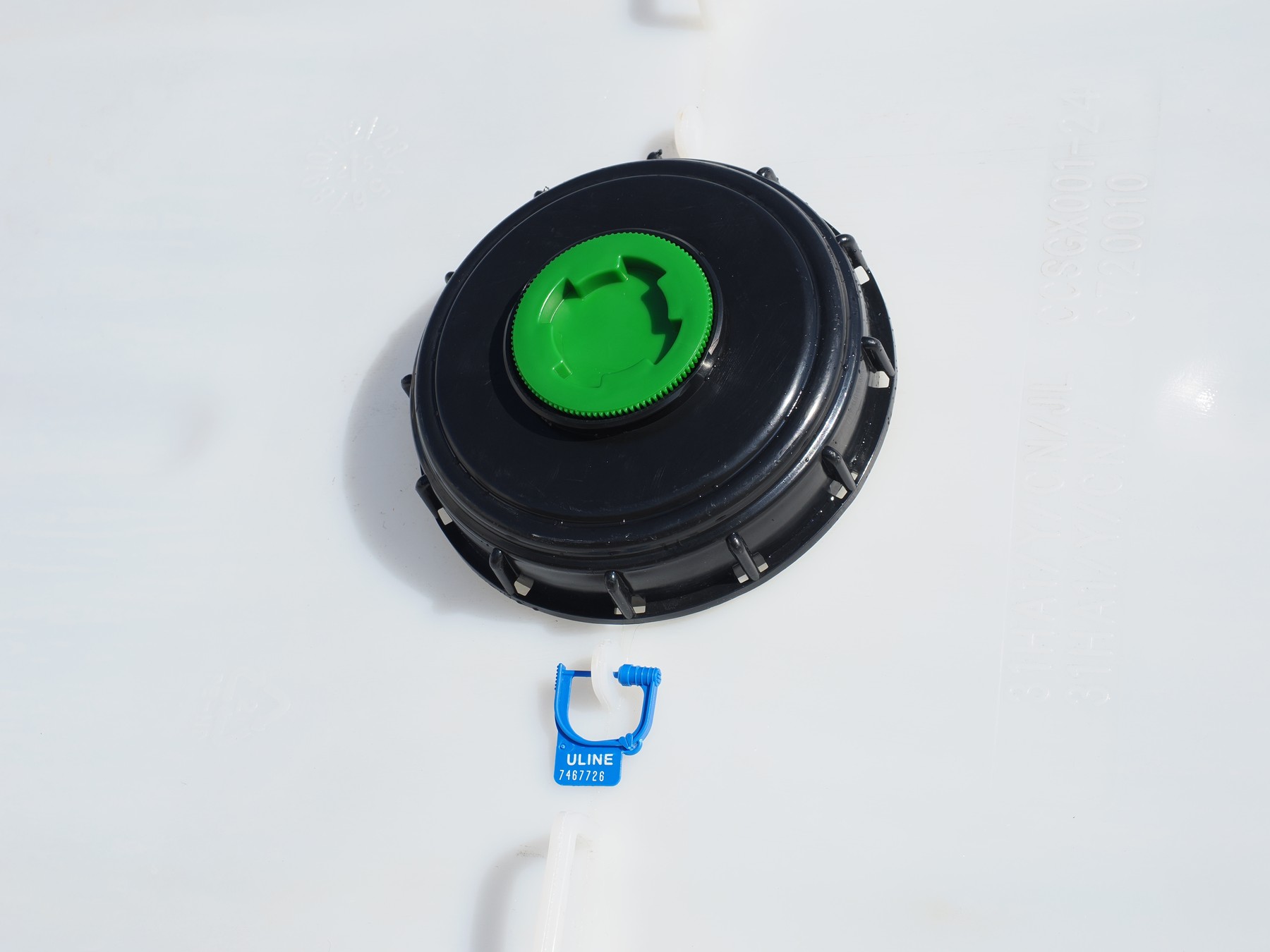
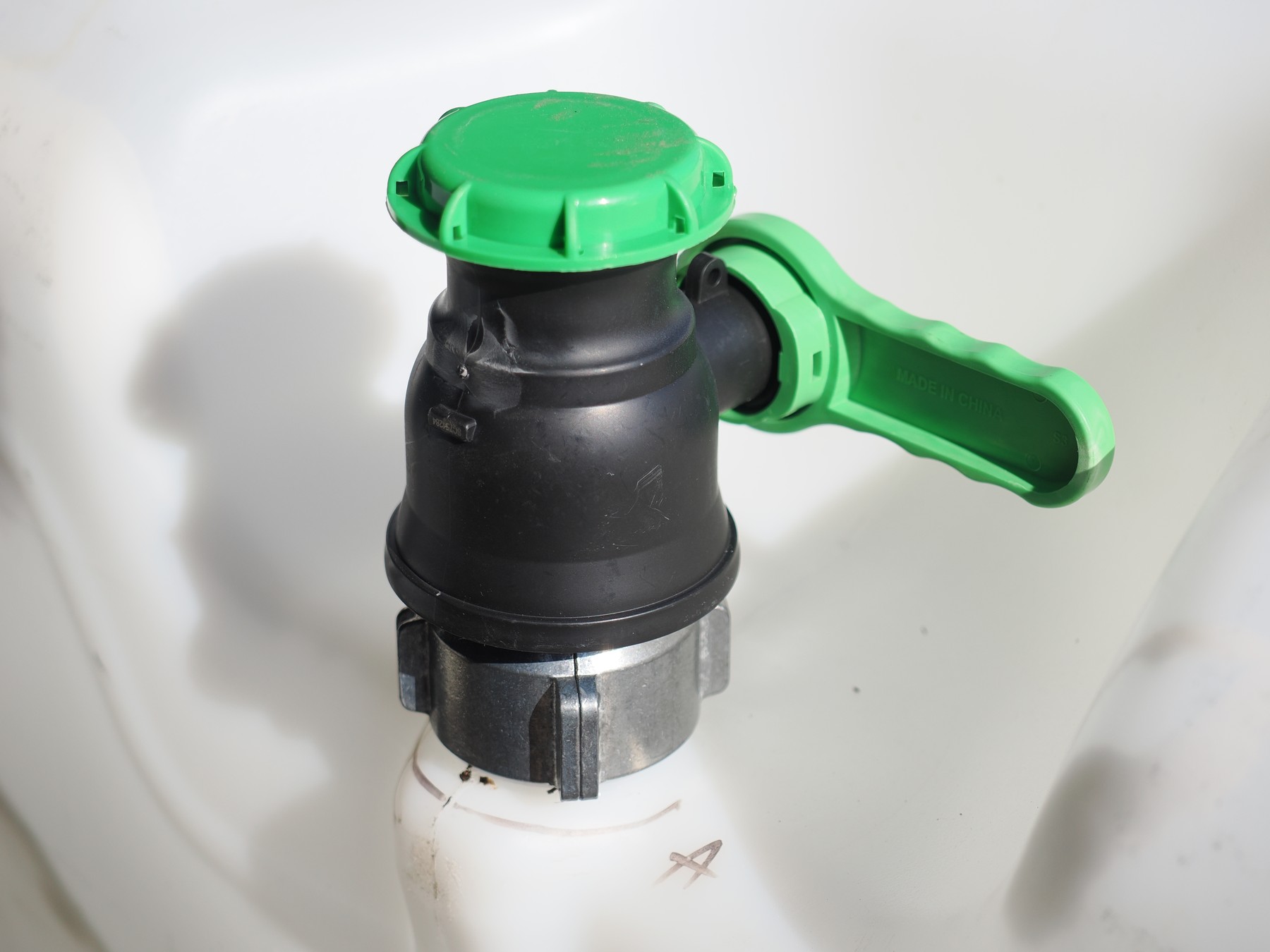
40 CFR Part 165, Subpart C addresses applicable DOT design capability, durable individual identification and protection of product openings.
PCC Rule
For a pesticide sold or distributed in a refillable IBC, EPA container rules can add requirements beyond the usual product-compatibility and DOT questions.
Keep the questions separate
“Pesticide” means more than insecticide. Depending on a product's intended claims and use, EPA-regulated pesticides can include herbicides, fungicides, rodenticides, disinfectants, sanitizers and other products intended to prevent, destroy, repel or mitigate pests.
40 CFR Part 165, Subpart C addresses applicable DOT design capability, durable individual identification and protection of product openings.
Subpart D addresses the registrant–refiller relationship, acceptable-container descriptions, product integrity, inspection, cleaning, labeling and records.
Containment requirements attach to specified storage, dispensing and refilling facilities and activities—not merely to the presence of an IBC.
Terminology matters: Part 165 defines “refillable” by intended repeated filling with pesticide for sale or distribution and treats reconditioned containers as nonrefillable. Clean Tank's commercial condition descriptions and EPA regulatory classifications answer different questions.
Subpart C configuration
Actual accessory examples
These genuine Clean Tank photographs show examples of pesticide-IBC accessories. They illustrate hardware features only; they do not establish that a container is acceptable for a particular pesticide or refilling activity.
Before each refill
Determine what pesticide previously occupied the IBC so the required residue-removal procedure can be determined.
Inspect the exterior, the interior when possible, and the valves, caps and other fittings (appurtenances). Damage, illegible required markings or missing opening protection can cause the IBC to fail the pre-refill inspection.
Use the written contract, label, residue-removal procedure and acceptable-container description applicable to the specific pesticide.
Primary sources
Sources reviewed September 2, 2026. This page provides general education, not legal advice or a pesticide-specific packaging determination.
Container configuration