
Composite IBCs
Modeled reconditioned 275- and 330-gallon IBCs produced less than one-third of the greenhouse-gas emissions of comparable new IBCs in the study.
Environmental benefits of industrial packaging reuse
Safely returning an eligible IBC or drum to service can delay the need for a complete replacement, keep manufactured steel and plastic working longer, and reduce the amount of packaging reaching end of life. When reuse is no longer appropriate, recoverable components can move to suitable material-recycling channels where available.
The IBC life cycle
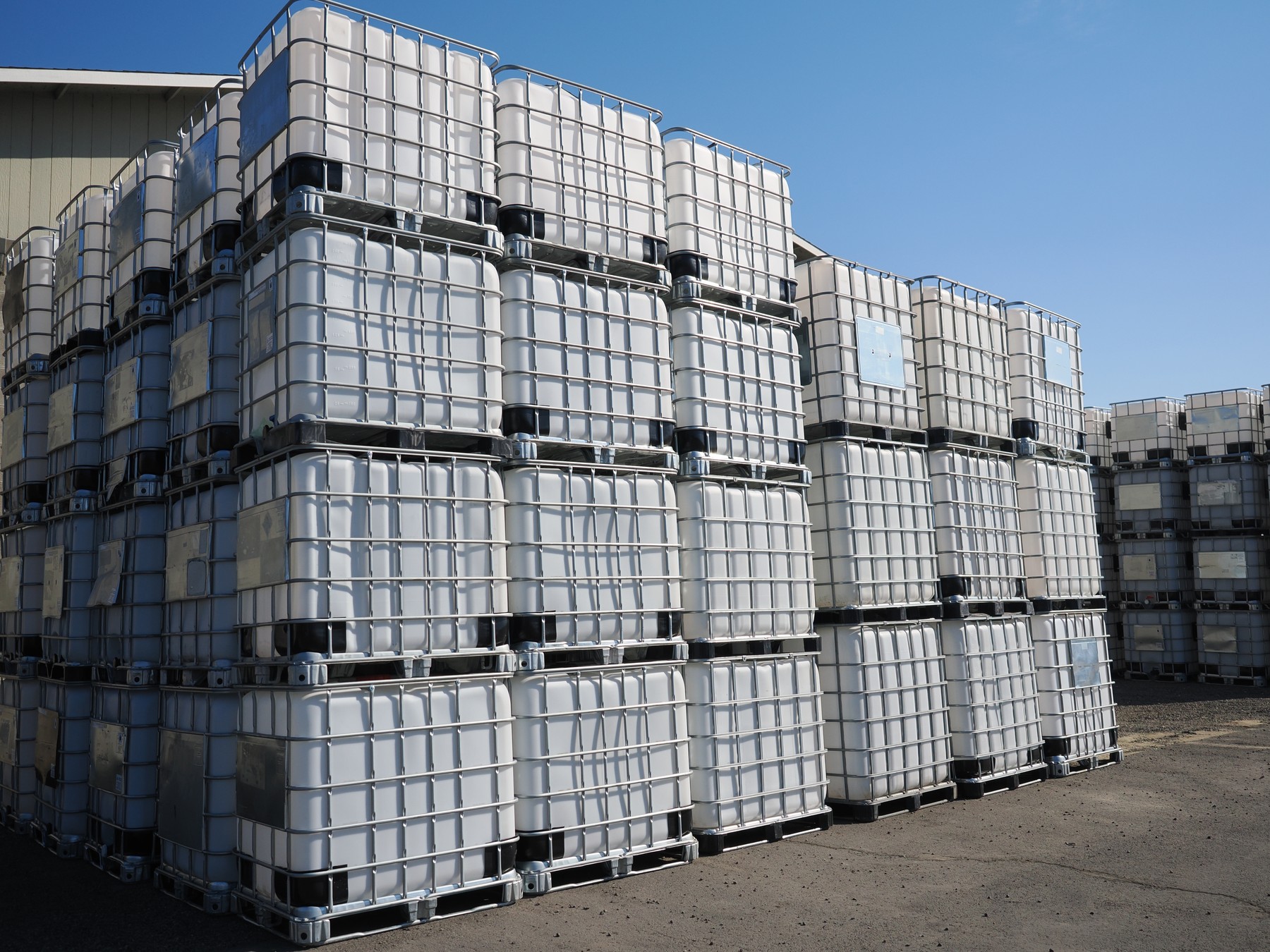
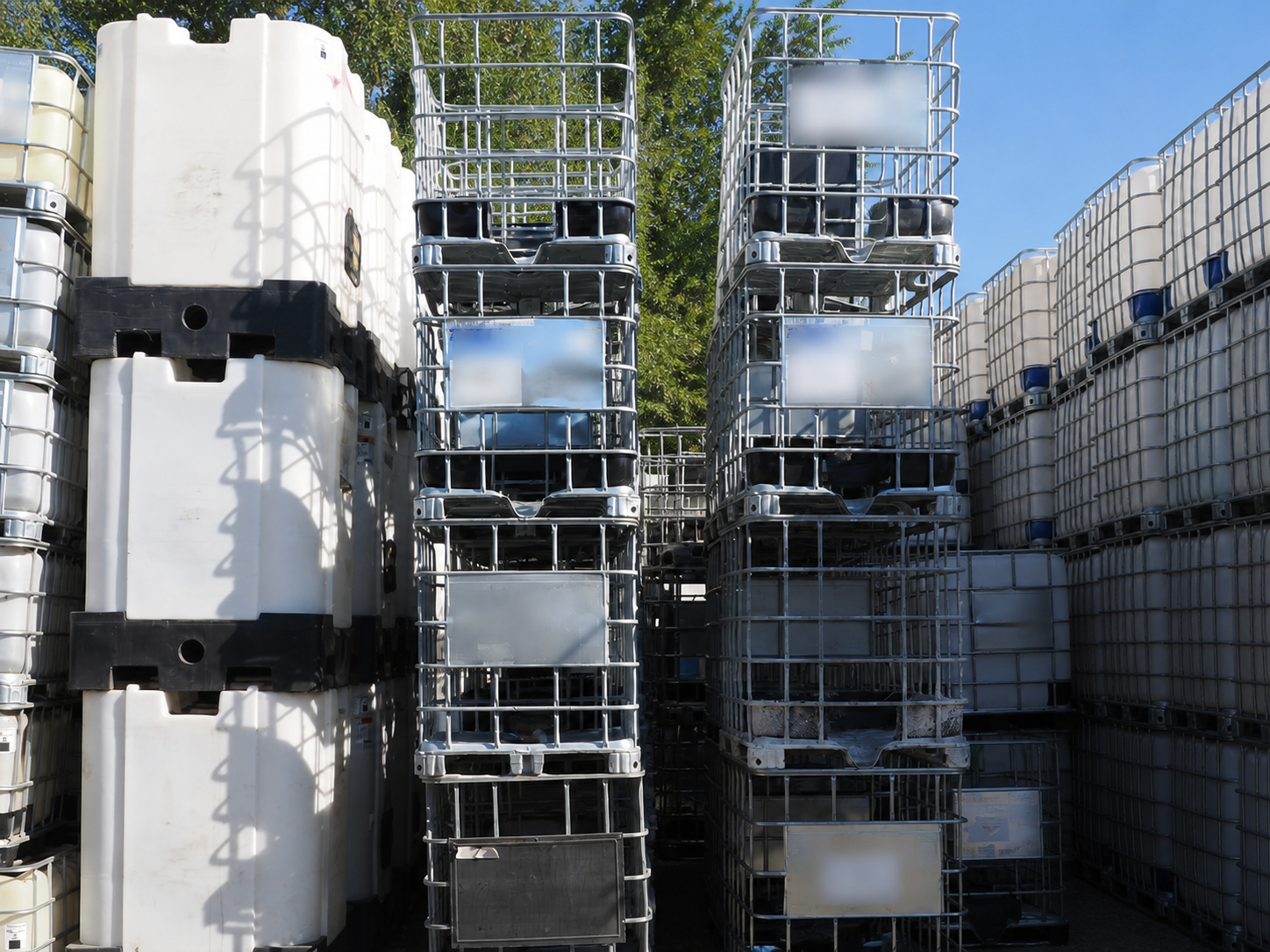
The life cycle begins with a new or rebottled IBC entering service. After use, the empty container is evaluated rather than automatically discarded or automatically returned. Eligible packaging can be prepared for another compatible use; components that are no longer fit can be directed to appropriate material recovery where practical.
The evaluation-and-return steps may repeat while the packaging remains eligible. The same reuse-first principle can apply to drums, although the construction, inspection and reconditioning processes differ.
What published lifecycle research found
In a 2015 lifecycle assessment commissioned by the Reusable Industrial Packaging Association and performed by Ernst & Young, reconditioned packaging generally had a lower modeled carbon footprint than comparable new packaging. The size of the difference depended on the package.
Modeled reconditioned 275- and 330-gallon IBCs produced less than one-third of the greenhouse-gas emissions of comparable new IBCs in the study.
The modeled footprint of a reconditioned open-head steel drum was almost one-third of a comparable new drum; a reconditioned tight-head drum was about 36% of new.
The modeled reconditioned tight-head plastic drum showed a smaller greenhouse-gas advantage, illustrating why results should be stated by packaging type rather than as a blanket claim.
These are results from an RIPA-sponsored industry study using 2015 data, defined system boundaries and transportation assumptions. They are not Clean Tank-specific measurements or a guarantee for any particular container, route or application.
An established reuse system
RIPA's 2023 U.S. industry survey used data from 80 reconditioning locations and extrapolated national estimates. The figures show an active commercial system for returning eligible packaging to service.
Industry estimates, not Clean Tank production figures. RIPA published the survey in January 2025 using calendar-year 2023 data.
What responsible reuse requires
Prior contents, empty status, condition, labels, damage and component status affect whether a container can enter a recovery program.
Condition labels such as reconditioned or rebottled do not establish chemical compatibility, food suitability, pesticide acceptance or HAZMAT performance for a particular use.
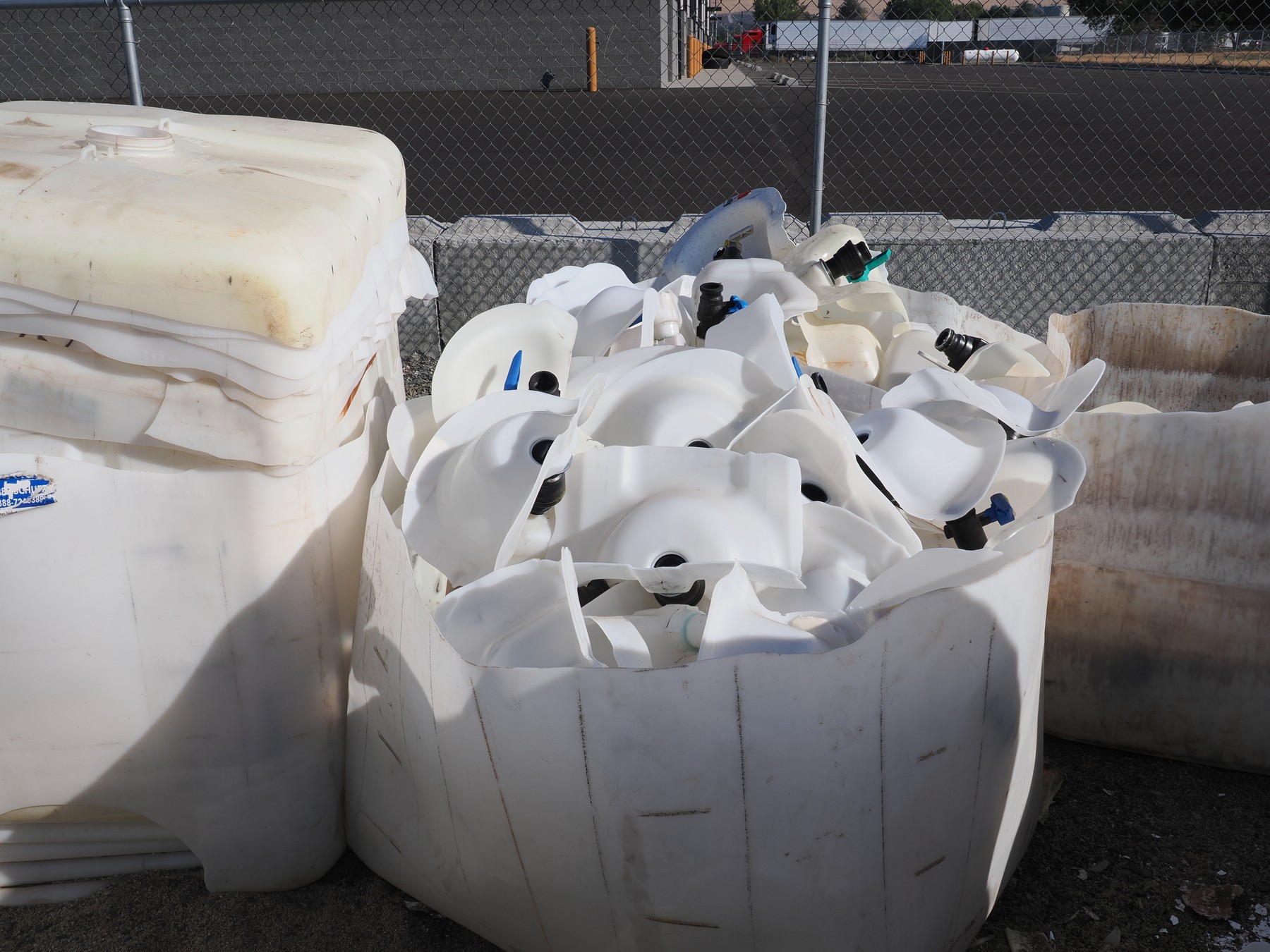
If the container cannot safely return to service, determine which components can enter suitable material-recovery channels. Availability and final disposition vary by material, residue, processor and location.
Primary references
Sources reviewed August 27, 2026. This page provides general educational information and does not calculate the footprint of a particular Clean Tank product, service or customer shipment.
Start with the actual container
Share the container type, quantity, prior contents, condition and location before scheduling pickup or selecting packaging for a new use.