Industrial IBCs & Poly Drums · Yakima, Washington Pickups/Deliveries Click Here (509) 452-8691

Quality & traceability

A claim should connect to a container.

Inspection and testing become more useful when the work performed, result and physical IBC can be connected through an individual identifier and retained record.
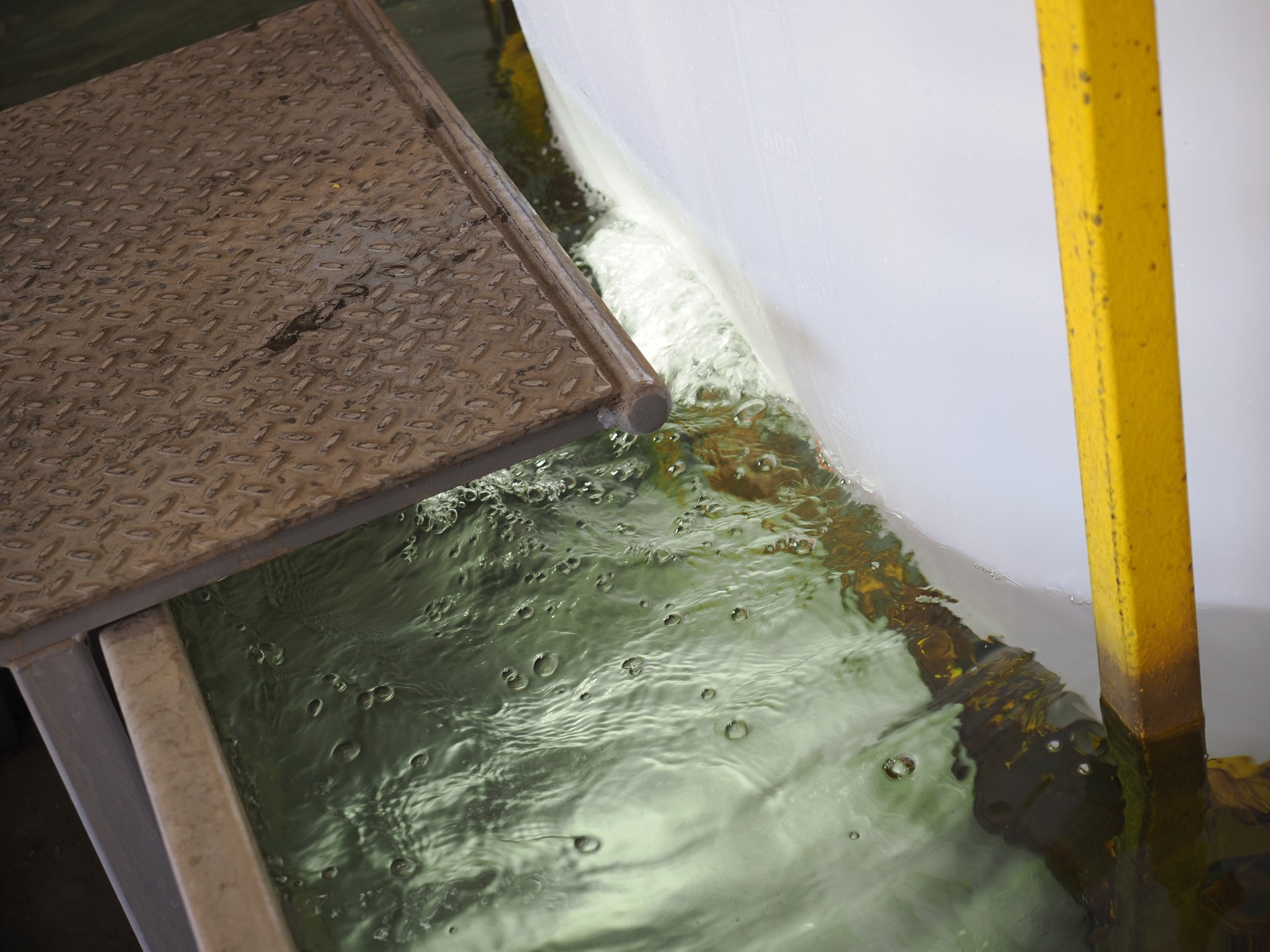
Bubbles appearing beside an IBC valve during an intentional failed leakproofness-test example
Demonstration of bubbling during leakproofness testing from a failed valve, resulting in a failed test.

Identity plus documentation

Traceability connects the container to the record.

A test image can show the process or a detected failure, but it does not provide traceability by itself. The value comes from connecting an individual physical IBC with the applicable documentation and the work actually performed.

  • Individual container identifier
  • Applicable inspection and testing details
  • Recorded result and service context

The Clean Tank process

Seven stages. One accountable record.

01 Remove
02 Inspect
03 Clean
04 Test
05 Identify
06 Document
07 Certify
Genuine Clean Tank Technologies Dunk Tank video. The short loop shows the purpose-built test fixture and water basin in operation; the applicable record documents the work and result for the individual packaging.

Genuine process equipment

See the test fixture in operation.

Clean Tank uses purpose-built equipment in its IBC process. The video shows the equipment in motion, but it does not replace the individual record that identifies what was performed and the recorded outcome.

  • Purpose-built fixture and water basin
  • Actual Clean Tank facility equipment
  • Records retained separately from marketing imagery

What buyers should be able to ask

Move beyond “tested.”

What was inspected?

Identify the components and condition criteria included in the process.

How was it tested?

Distinguish the actual test method and result from a date sticker or general statement.

Can it be traced?

Connect the container identifier to the applicable inspection and testing documentation.

Individual identity

Ask us for the record.

A qualifying Clean Tank IBC receives an individual identifier designed to connect the physical packaging to its applicable record. Documentation format and scope depend on the packaging and service performed.
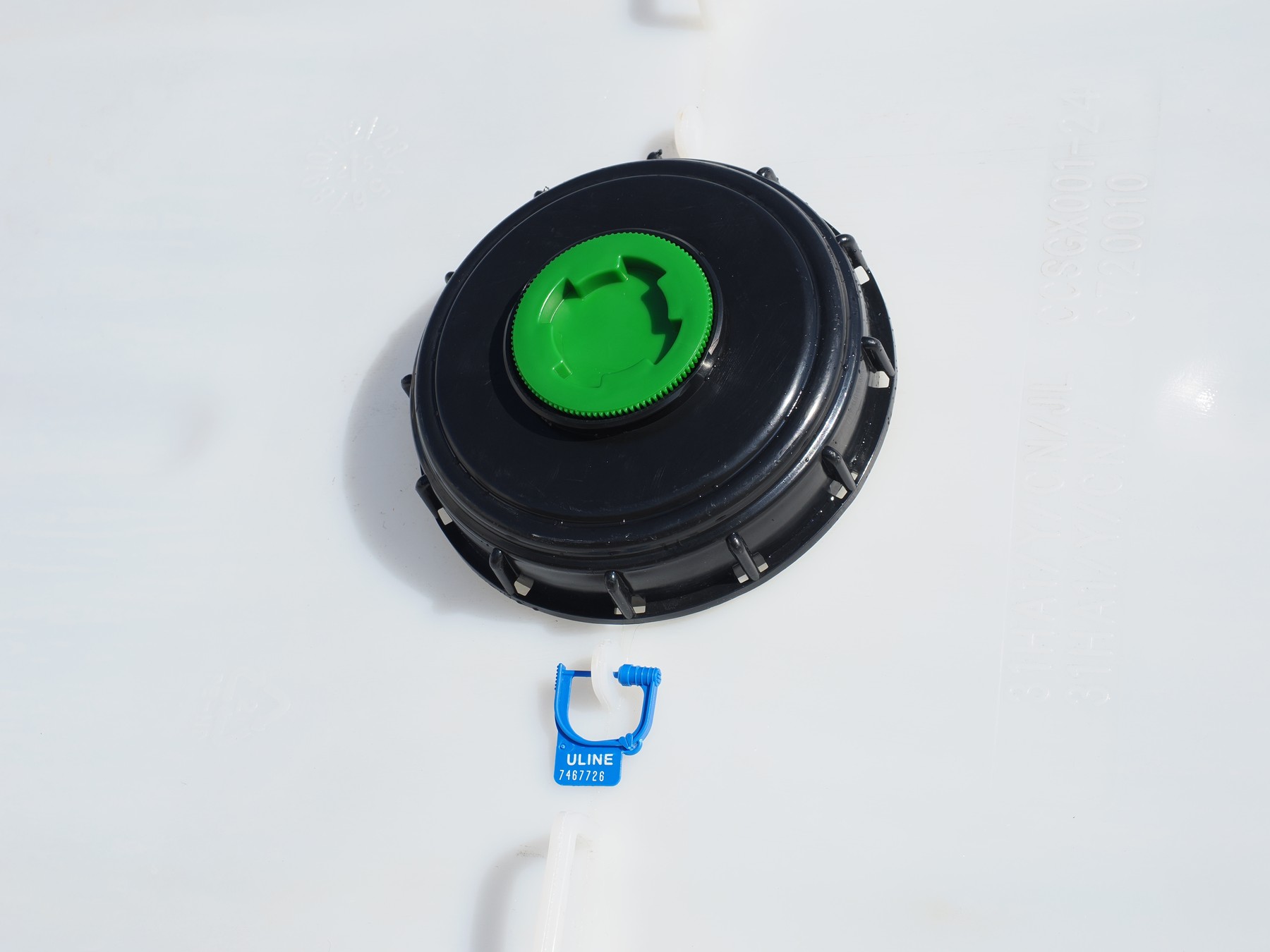
Unique identifier tag installed beside the top closure of an IBC
Unique identifier tag shown beside the top closure. The identifier is used to connect the individual IBC to the applicable record.
Container Physical IBC received by the customer
Identifier Individual number associated with the container
Record Applicable inspection and testing details
Result Recorded outcome of the work performed

Example documentation

See how the container connects to the record.

These examples show the type of container-level identification and documentation Clean Tank can produce for specific work. They do not establish the condition, qualification or suitability of another container or shipment.

The examples relate only to the containers and work identified in their respective records.

Why records matter

The rule distinguishes marks from records.

For IBCs within its scope, 49 CFR 180.352 addresses periodic testing and inspection, retest-date marking, and retained records containing test or inspection specifics and results.

Source link verified August 10, 2026. Applicability depends on the packaging and use.

Documentation questions

Connect the packaging, work and record.

Talk with Clean Tank